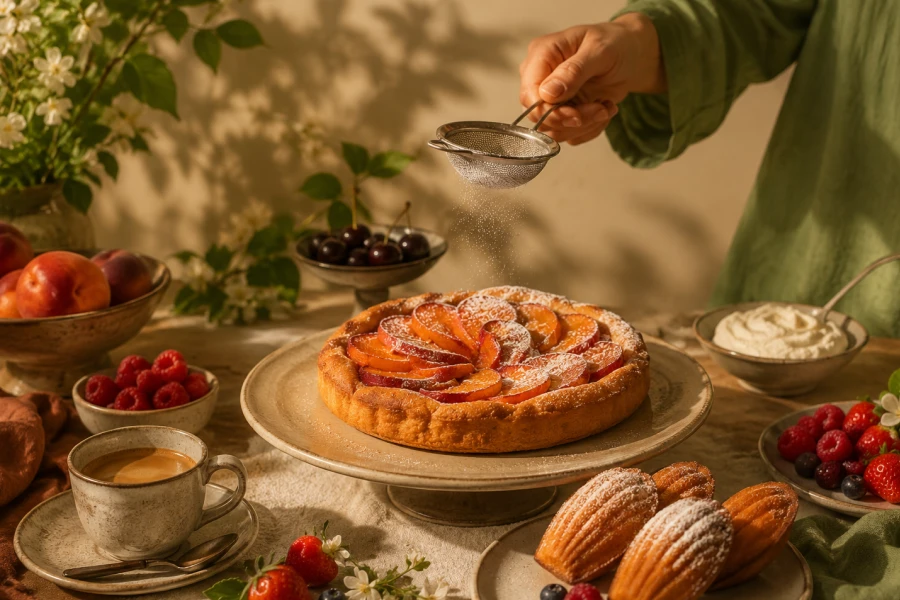
French dessert recipes bring elegance into home baking without requiring perfection. They often rely on simple ingredients handled with care. Butter, cream, fruit, chocolate, and pastry can create memorable results. The charm comes from balance, not excess. A good dessert feels polished but still inviting. Home bakers can start with approachable classics. Tarts, custards, crêpes, and cakes all offer friendly entry points. Technique matters, but confidence grows through repetition. The experience should feel joyful and sensory. French baking becomes less intimidating when you learn its quiet logic.
French sweets often celebrate contrast. Crisp pastry meets soft cream. Bright fruit balances rich butter. Bittersweet chocolate offsets delicate sweetness. These contrasts make desserts feel layered. They also keep flavors from becoming heavy. A French pastry inspiration approach helps bakers understand that balance. You are not just following steps. You are learning how textures and flavors support each other. That awareness improves every dessert. It also makes baking more enjoyable.
Approachable desserts build skill gently. Crêpes teach batter consistency and heat control. Clafoutis teaches custard texture with very little fuss. Madeleines introduce timing and delicate browning. Fruit tarts teach assembly and patience. A Parisian dessert style can begin with these basics. You do not need a pastry school kitchen. You need attention, good ingredients, and repetition. Each bake teaches something useful. Confidence grows one dessert at a time.
Ingredient quality matters because many recipes are simple. Butter carries flavor in pastry. Vanilla shapes custards. Fruit defines tarts and compotes. Chocolate creates depth when chosen carefully. Better ingredients do not need excessive decoration. They let the dessert speak clearly. This does not mean everything must be expensive. It means choosing the most important ingredients thoughtfully. A strong dessert often depends on just one standout element. Quality creates elegance before presentation begins.
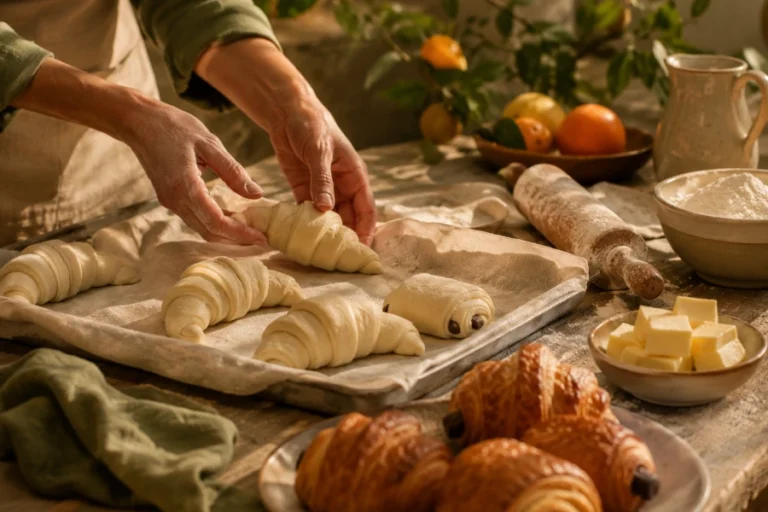
French baking often looks dramatic, but technique stays practical. Chill pastry before rolling. Watch custard gently. Measure flour with care. Let baked goods cool before slicing. These habits prevent common frustrations. They also make results more consistent. A calm process creates better desserts. Rushing usually causes cracks, soggy bases, or uneven texture. Patience is part of the flavor. Technique turns simple ingredients into something graceful.
French desserts do not need formal occasions. A simple yogurt cake can brighten a weekday. Crêpes can turn leftovers into dessert. A fruit galette feels relaxed but beautiful. Chocolate mousse can make dinner feel special. A French dessert table can be casual, seasonal, and personal. The point is not performance. It is pleasure shared at the table. Small sweets create small celebrations. That is part of their charm.
The best way to improve is repetition. Choose one dessert and bake it several times. Notice texture, timing, and flavor changes. Write down what worked. Adjust only one thing at once. Use classic baking methods to build steady skill. Over time, steps feel less mysterious. Your hands learn what dough and custard should feel like. The kitchen becomes more confident. French baking becomes a rhythm, not a challenge.

Leave a comment