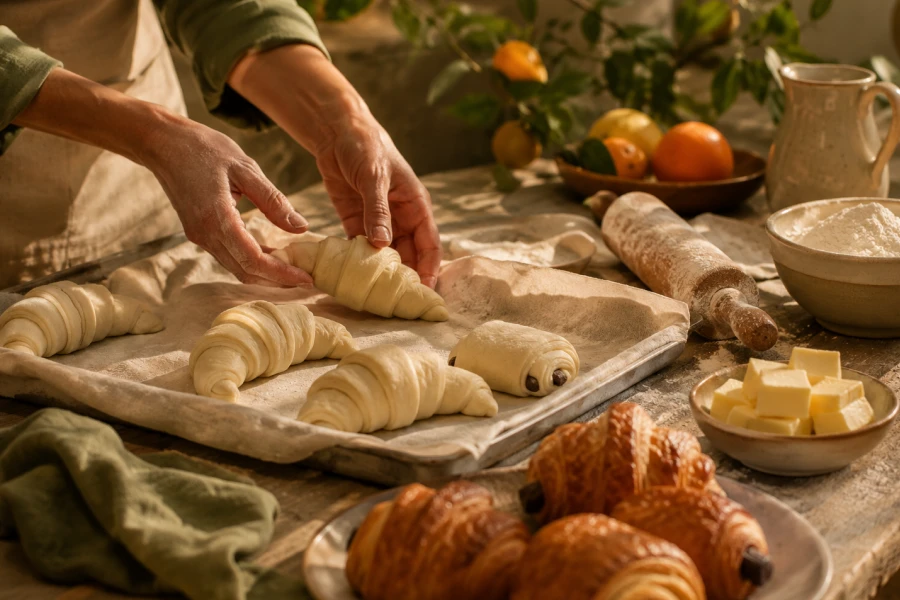
Classic French pastries make weekend baking feel intentional, sensory, and rewarding. They ask for patience, but they give back beauty. Dough, butter, cream, and fruit become something memorable. The process can feel slow in the best way. It invites you to notice texture and timing. Home bakers often think pastries are too advanced. Some are complex, but many skills can be learned gradually. Start with one technique before chasing a full display case. Confidence comes from repetition. Pastry becomes less intimidating when the process feels familiar.
Texture defines many beloved pastry experiences. A tart shell should feel crisp and tender. Cream should taste smooth without being heavy. Laminated dough should flake when touched. Choux should feel light but structured. A patisserie-style treats mindset starts with these details. Texture tells you whether technique worked. It also makes each bite more interesting. Flavor matters deeply, but texture creates memory. That is why pastry rewards attention.
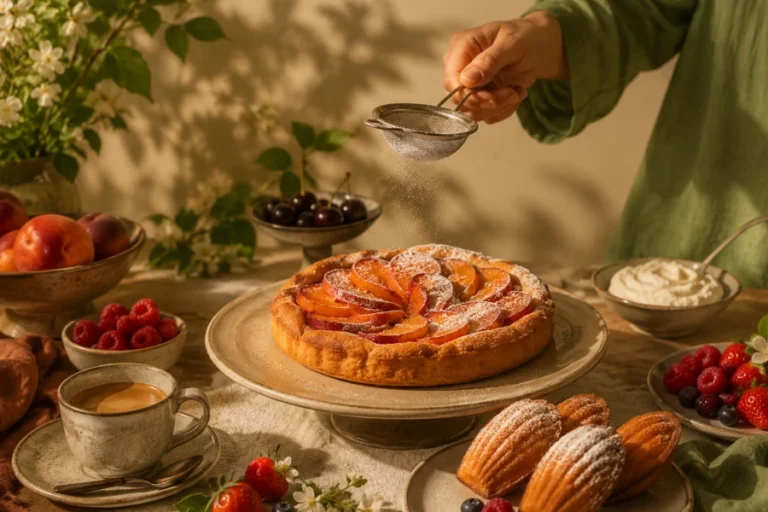
Tarts are a practical place to begin. They teach dough handling without requiring complex shaping. Pastry cream teaches heat control and patience. Fruit topping teaches restraint and presentation. Chocolate ganache adds richness with few ingredients. A fruit tart techniques approach helps you practice several skills together. The result feels impressive but manageable. You can repeat the base with seasonal changes. Each version improves your confidence. Tarts make pastry feel reachable.
Temperature quietly controls success. Butter must stay cold in many doughs. Custards need gentle heat. Chocolate needs careful melting. Cream needs proper chilling before whipping. Ignoring temperature often causes avoidable mistakes. A warm kitchen can soften dough too quickly. An overheated custard can turn grainy. A rushed ganache can lose shine. Learning temperature control changes your results. It also teaches patience in a practical way.
Presentation does not need to feel fussy. French pastry often looks beautiful because it respects structure. Clean edges, glossy fruit, and balanced portions matter. Simple finishing can be more elegant than decoration overload. Powdered sugar, toasted nuts, or citrus zest may be enough. Leave space on the plate. Let the pastry shape show. A restrained finish feels confident. It also keeps the dessert focused. Beauty works best when it supports flavor.
Weekend baking gives pastry the time it deserves. You can chill dough without impatience. You can prepare cream while shells cool. You can assemble close to serving. This rhythm makes the process calmer. A elegant baking routine turns pastry into a ritual. It also makes the final dessert feel more meaningful. The kitchen smells better when time stretches. The table feels more special. Slow baking creates anticipation.
Do not attempt every pastry skill at once. Choose shortcrust one month and choux the next. Add custards only when you feel ready. Practice shaping after the dough feels familiar. Use croissant and tart basics to build foundations. Mistakes will teach you more than perfect photos. Take notes after each bake. Notice what improved and what needs attention. Progress becomes visible through repetition. Pastry confidence grows slowly, then suddenly feels natural.

Leave a comment